



The best season to trek Everest Base Camp
 Nepal Vision Treks
 Aug 8, 2026
 10 Min Read
Trekking to Everest Base Camp is a dream for millions of adventurers worldwide. But like all great Himalayan adventures, timing is everything. The difference between a crystal-clear panorama of the Khumbu Icefall at dawn and a week of rain-soaked trails comes down to which month you choose to go.
Spring: March to May
Spring is arguably the finest season for the Everest Base Camp trek. As winter's grip loosens, the Himalayan foothills explode into colour — rhododendron forests burst into red and pink bloom below Tengboche, while the higher elevations shed their snow to reveal the raw, dramatic terrain that makes this region so iconic.
Temperature-wise, spring strikes a near-perfect balance. Days are warm enough to trek comfortably in a light fleece, while evenings at Namche or Dingboche cool to a pleasant chill. Crucially, the pre-monsoon weather windows give you long stretches of stable, clear skies — exactly what you need for those sunrise views from Kalapatthar.

Autumn: September to November
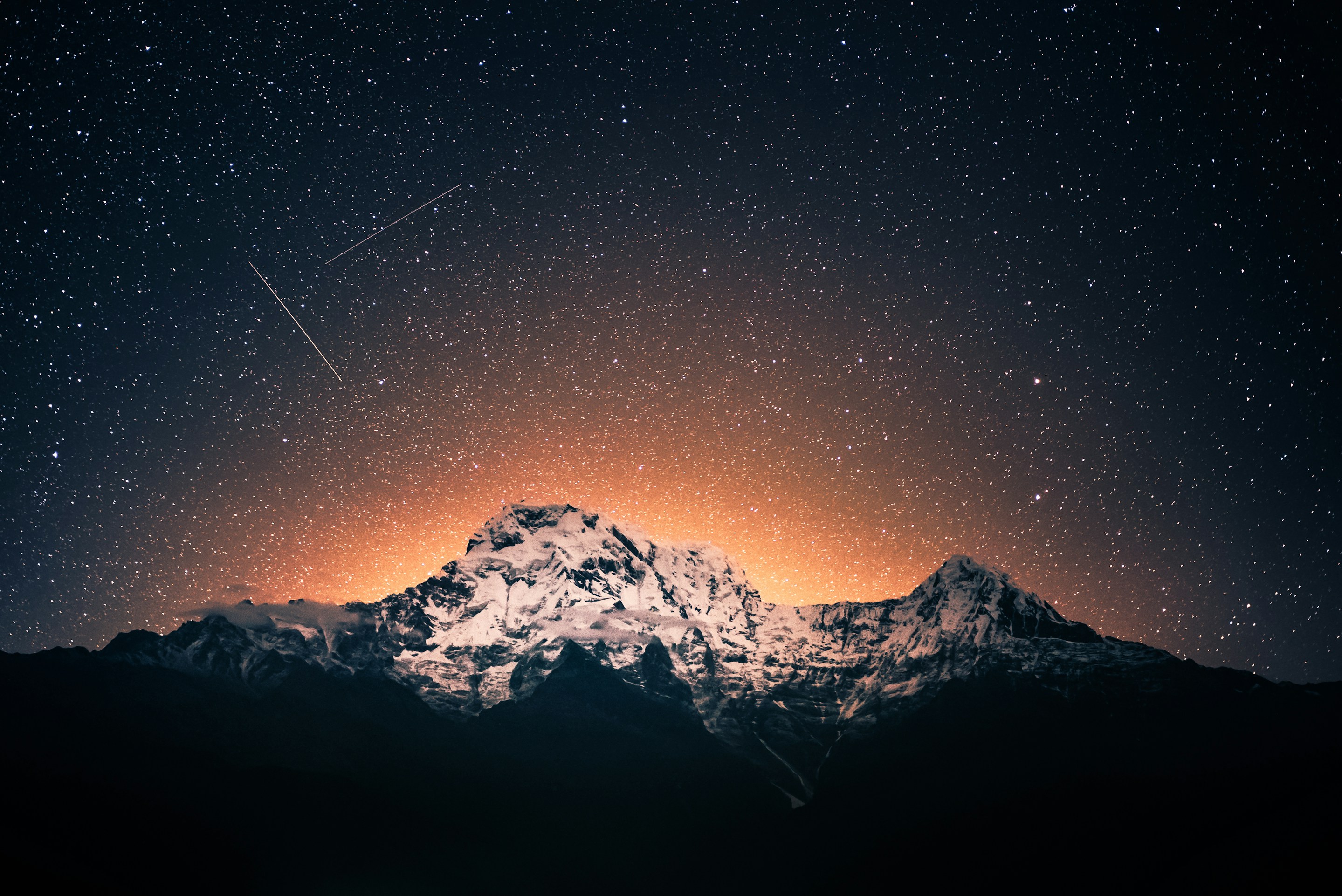
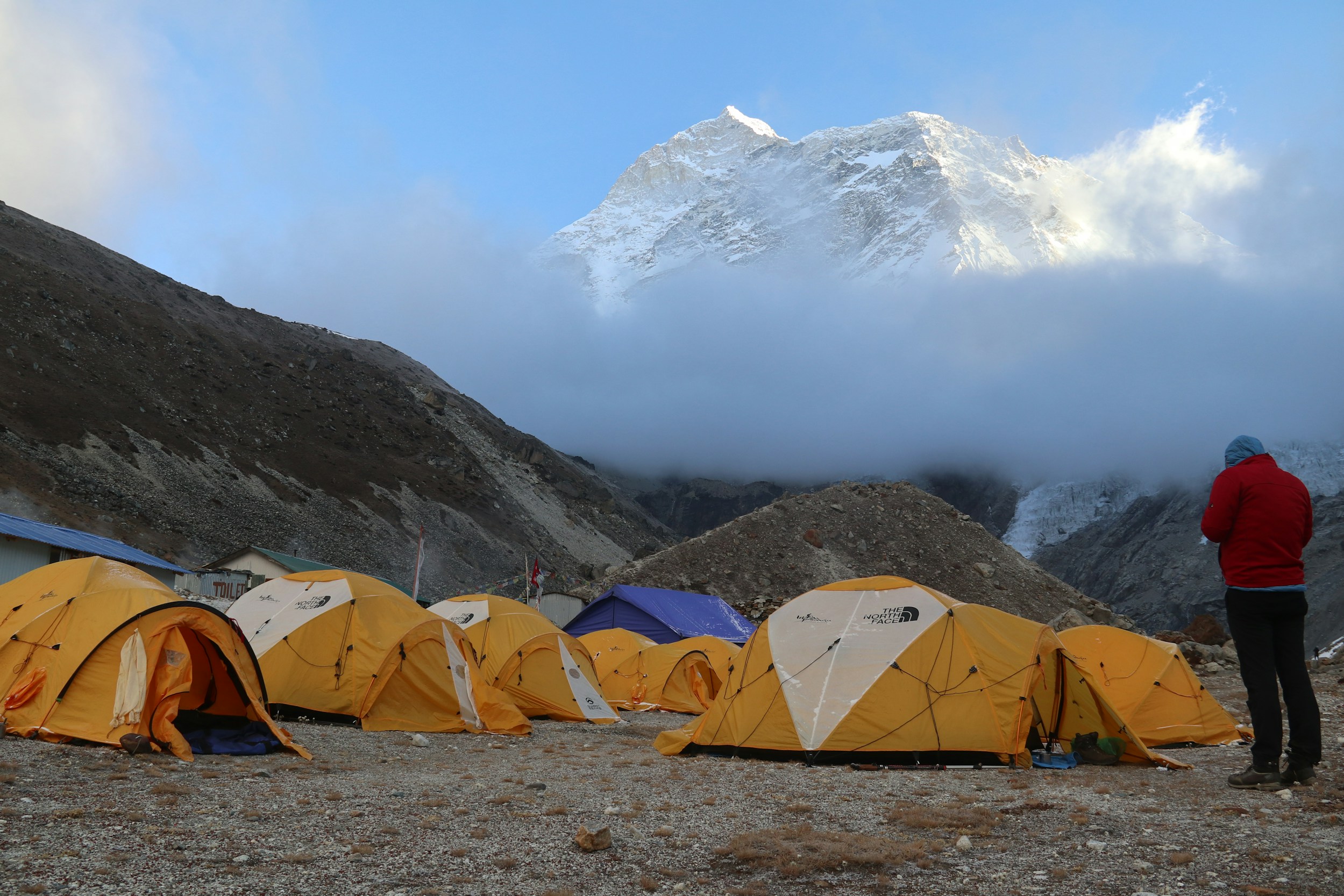
If Spring is the vibrant season, Autumn is the clear one. Following the monsoon rains that wash the Himalayan air clean, October in particular delivers some of the most consistently blue skies you'll ever see at altitude. Visibility stretches for hundreds of kilometres on a good day — you can pick out the summits of Makalu, Cho Oyu, and of course Everest itself from ridgelines all along the route.
The trails are also at their most stable in Autumn. The summer rains have settled the dust and cleared the paths of loose scree, and the cold of winter hasn't yet arrived to ice over the high passes. Namche Bazaar buzzes with an international mix of trekkers, making it a great season for the social side of the experience too.